No mining exploration yet, but OceanaGold’s exploration plans already sow tensions in Apayao community
Artemio A. Dumlao — October 13, 2026
No mining exploration yet, but OceanaGold’s exploration plans already sow tensions in Apayao community

Conner, Apayao (October 13, 2026) — OceanaGold Philippines’ proposed mineral exploration in Conner is already causing strained relationships among residents and Indigenous communities, even before exploration begins.
Julifa Balonggay, a local resident and women’s leader, said disagreements over the plans have divided households and strained ties among people who once lived harmoniously.
The proposed exploration comes amid reported applications covering thousands of hectares. Reports have linked Greenwater Mining Corporation and Copper Fields Mining Corporation to applications covering approximately 14,256 hectares, while another application associated with Copper Fields covers about 1,944 hectares.
These are proposed exploration areas, not an existing mining footprint in Conner, but residents fear the plans could eventually threaten ancestral lands, farms, forests and watersheds.
Their apprehensions are shaped in part by OceanaGold’s experience in Nueva Vizcaya, where its Didipio gold-and-copper mine began commercial production in 2013. The operation initially used open-pit mining until 2017, transitioning to underground extraction until now.
The mine’s history offers a concrete example of how a proposed mineral project can develop into a long-term industrial operation.
OceanaGold’s own 2021 account of a social-change assessment at Didipio acknowledged unresolved legacy issues and described how land-access processes involving the company and previous project developers over 23 years had contributed to distrust and frustration among community members.
While the company cited jobs and business opportunities generated by the mine, it also acknowledged that not everyone could be employed and that direct employment would decline as the operation approached closure.
In Conner, opposition to mining is not new. Community groups have cited resistance to mining interests dating back to Anglo American’s proposed entry in 2005.
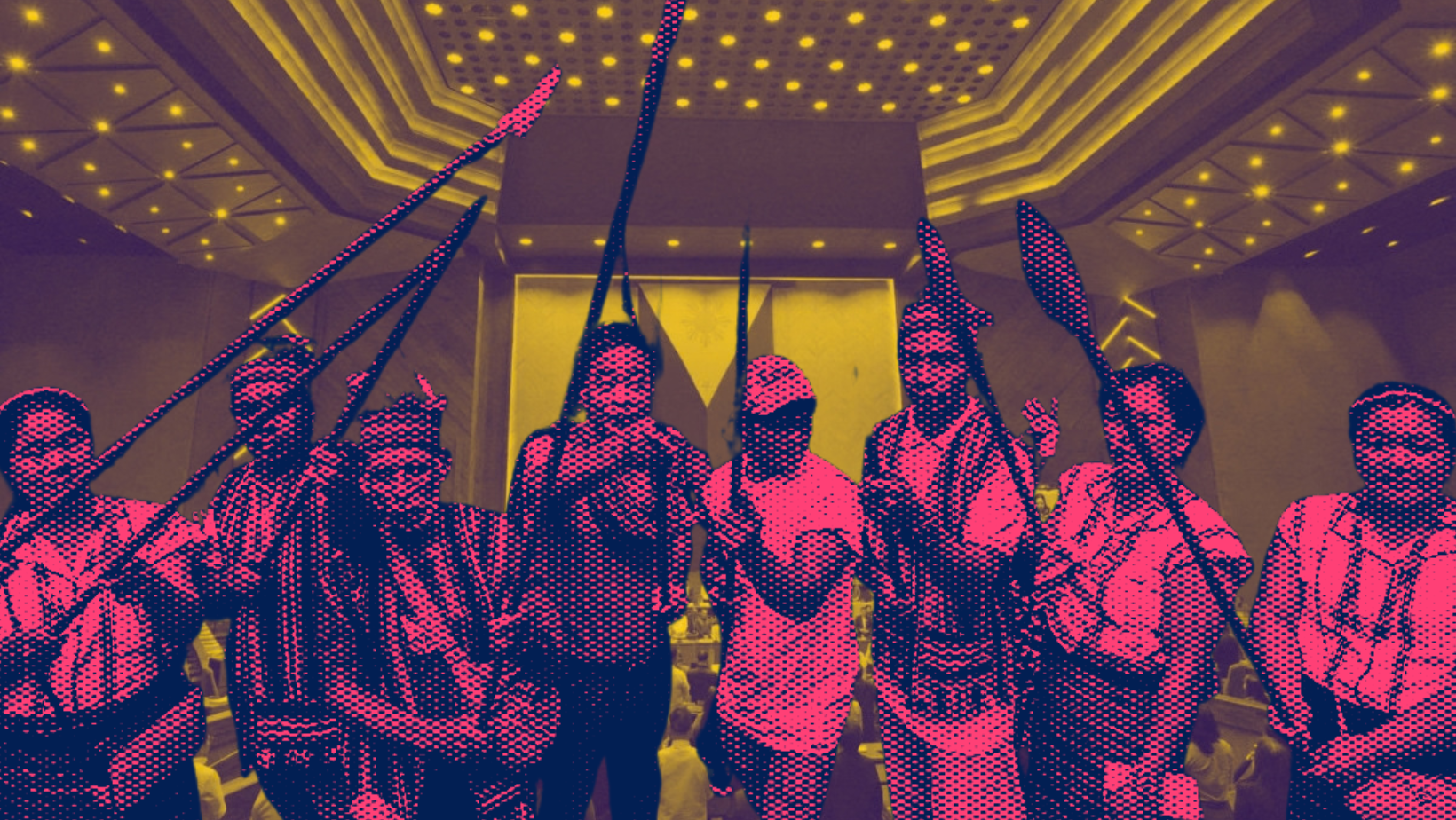
More recently, the Save Apayao People’s Organization has raised concerns about renewed exploration applications and their potential effects on Indigenous communities, watersheds and traditional livelihoods. For residents, the stakes extend beyond mineral discovery to questions of land rights, environmental protection and meaningful participation in decisions affecting their territories.
For Balonggay, the divisions are already taking a toll, regardless of whether exploration proceeds. Her account underscores how the prospect of mining can reshape community relationships before a single drill reaches the ground, leaving residents to confront not only uncertainty over their land and livelihoods but also tensions among the people who call it home.