Cordillera autonomy bill still fails to draw support from original self-rule campaigners
Artemio A. Dumlao — October 16, 2026
Cordillera autonomy bill still fails to draw support from original self-rule campaigners
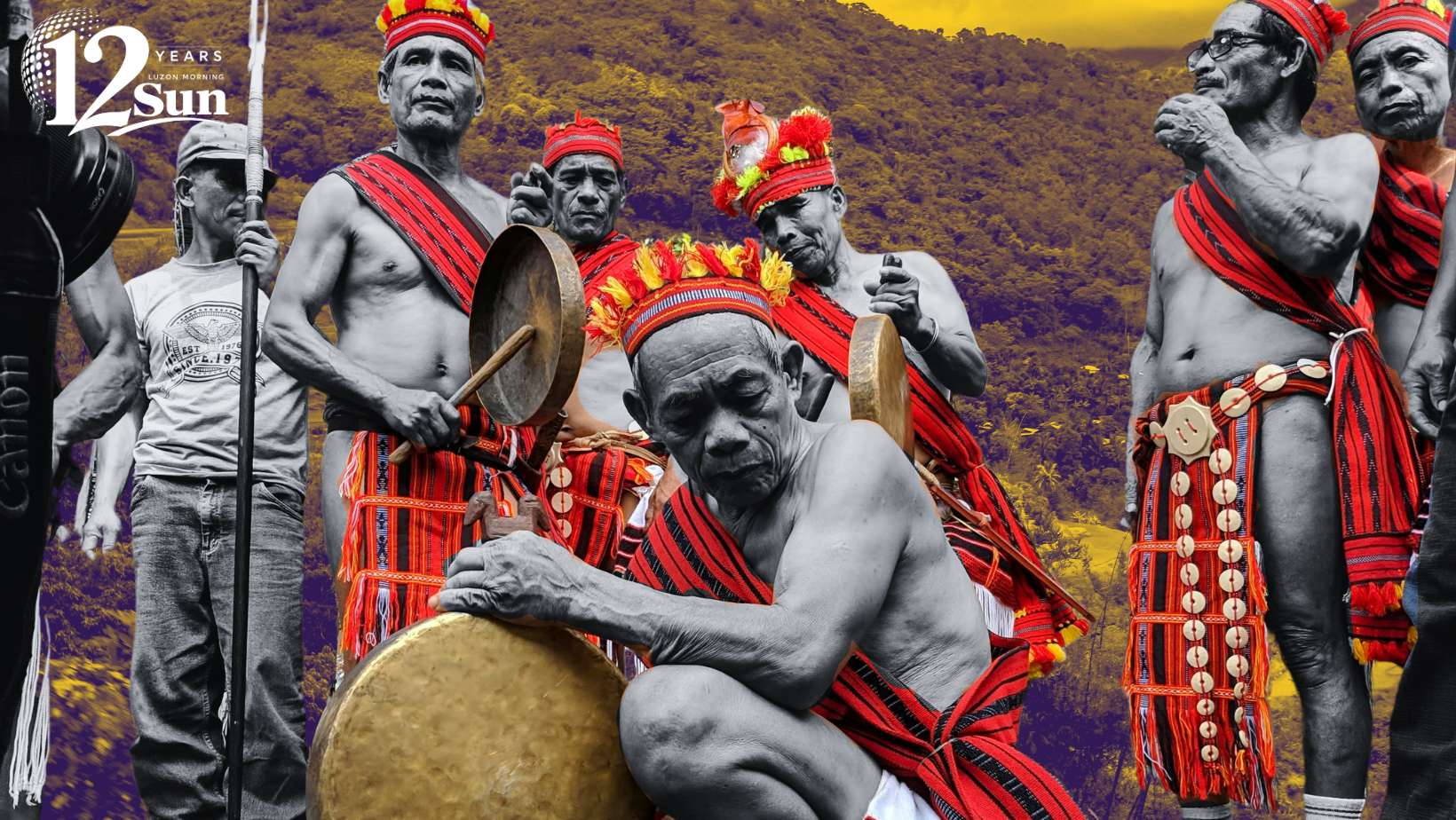
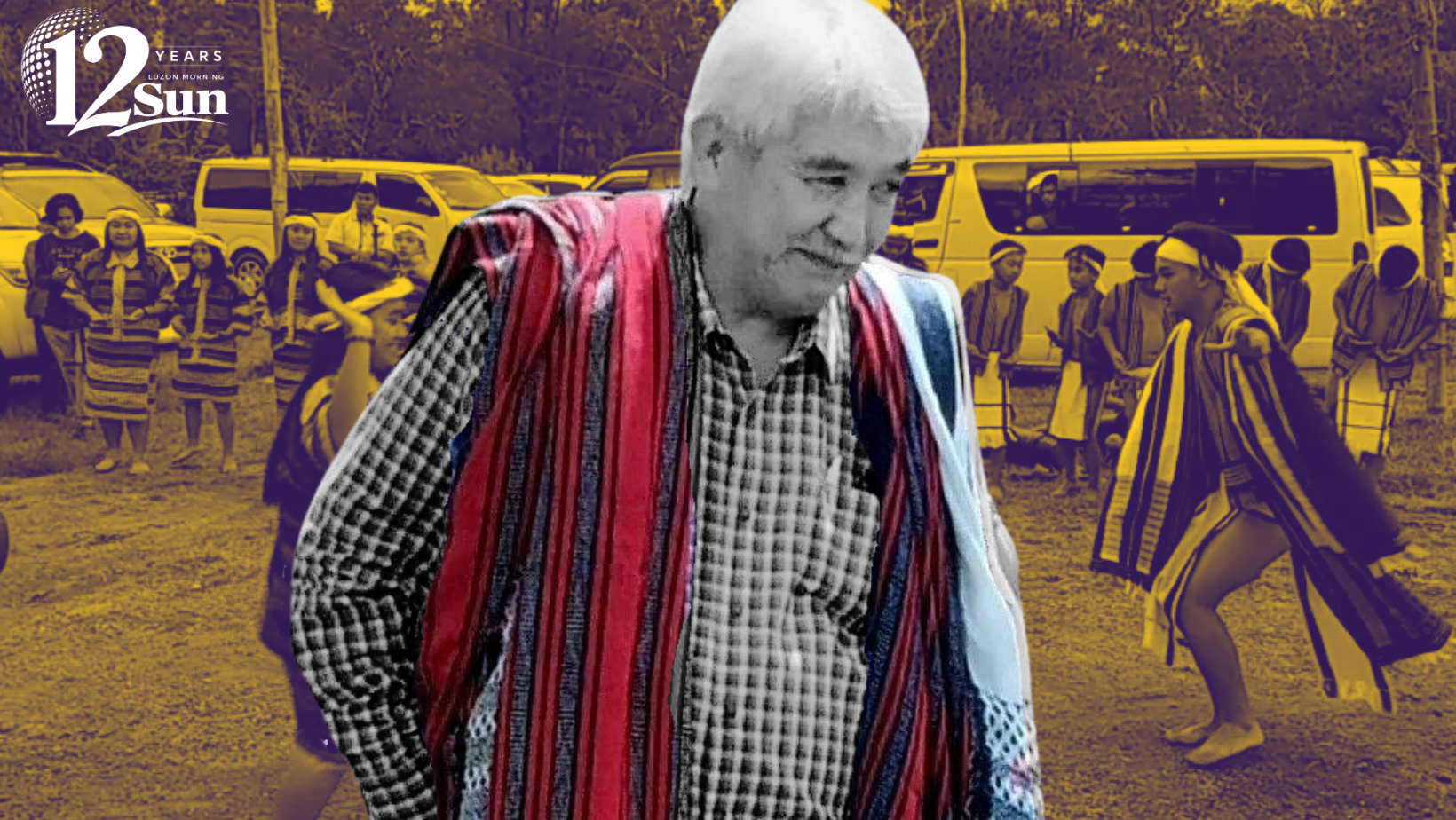
BAGUIO CITY (October 16, 2026) — A proposed law creating the Cordillera Autonomous Region drew calls for rejection this Tuesday, with ACT Teachers party-list Rep. Antonio Tinio and Cordillera Peoples Alliance (CPA) chair Windel Bolinget warning it could undermine Indigenous self-determination and local control over natural resources.
At a regional autonomy conference on this October 13, Tinio questioned whether House Bill No. 6981 would deliver genuine self-rule or simply devolve national government functions. He also raised concerns over the proposed region’s judicial powers, policing, financial independence and provisions allowing its creation if at least two provinces or cities vote in favor.
Tinio warned that the funding scheme could make the region dependent on mining, energy projects and economic zones, while potentially reinforcing political dynasties.
Bolinget branded the measure “bogus autonomy,” saying it could divide the Cordillera’s six provinces and the cities of Baguio and Tabuk while leaving communities with limited control over ancestral lands and development. He also questioned safeguards against human rights abuses and militarization, as well as the proposed regional government’s authority over mining and forestry.
CPA actively campaigned for regional autonomy in the 80’s defining self-rule that is anchored on the right to self-determination, though the drive was “ambushed” by moderates who relied rather on placing a organizational bureaucracy.
Bolinget citing failed autonomy plebiscites in 1990 and 1998 as proof of Cordilleran’s unwelcome behavior towards achieving autonomy as mere structure and never as fundamental embrace of the right to self-determination, he urged Cordillerans to reject the bill in a proposed 2027 plebiscite.
More than 200 people attended the conference organized by the CPA, Tongtongan ti Umili and the Cordillera Women’s Education, Action, Research Center to discuss the measure’s implications for governance, Indigenous rights and resource control.